
Disclosure: This post contains affiliate links. We may earn a commission at no extra cost to you. We only recommend products we have tested and trust.
7 Proven Secrets to Master Full-Time RV Living in 2026 (Even If You're a Complete Beginner)
Full-time RV living sounds like the ultimate freedom, but here is the deal: most beginners make expensive mistakes in the first 90 days that force them to quit. If you are dreaming about trading your mortgage for the open road, working from anywhere, and waking up to a new view every week, you are not alone. Thousands of couples, digital nomads, and families are doing it right now across North America.
But wait, what separates those who thrive from those who sell their RV after 6 months? It is not money. It is not luck. It is having a real RV buying guide and a system for the unglamorous stuff like tanks, RV maintenance, and boondocking. In this guide, I am pulling raw lessons from Alyssa Padgett's 8 years on the road and her book A Beginner's Guide to Living in an RV to save you $10,000+ in mistakes.
Editor's Note: After testing dozens of resources, we recommend STOP DREAMING ABOUT THE OPEN ROAD. START LIVING IT for beginners. It is the most complete shortcut to going full-time without the trial and error. Check official price here.
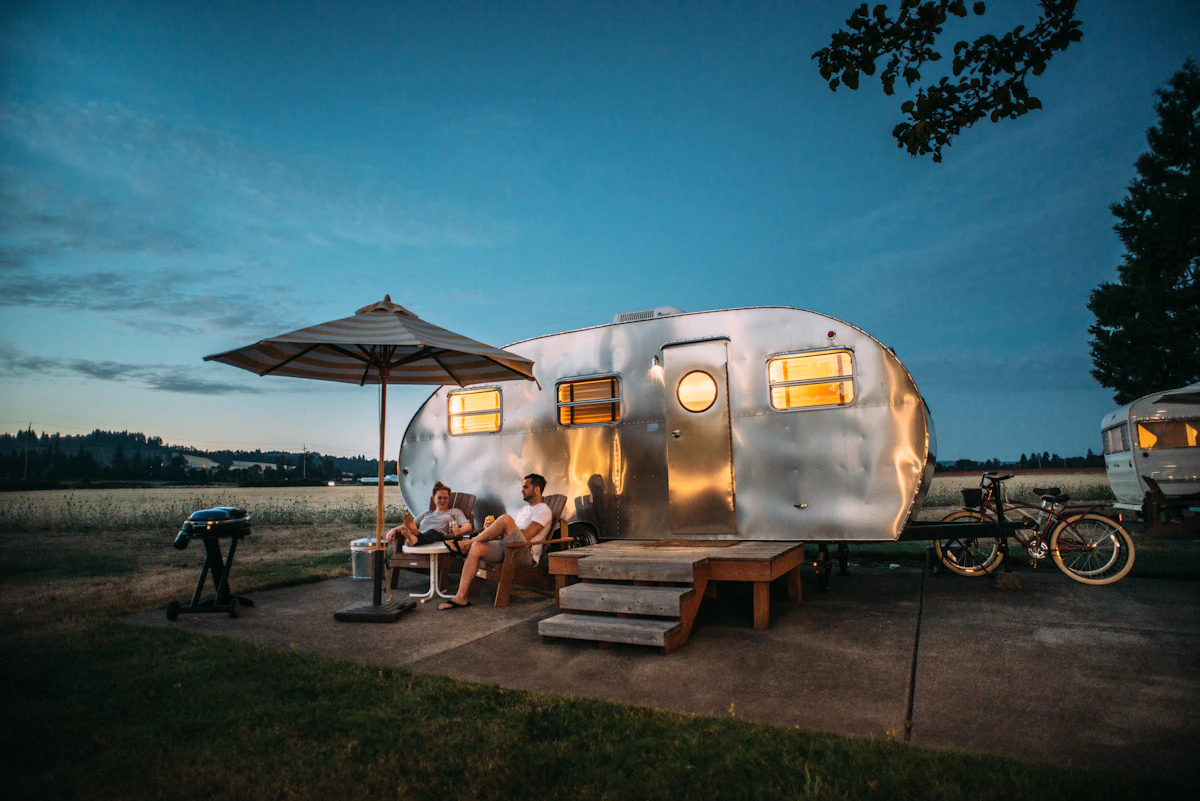
Table of Contents
What is Full-Time RV Living Really Like?
Full-time RV living means your RV is your only home. You do not have a sticks and bricks house waiting. You live, work, cook, shower, and sleep in 80 to 400 square feet. It is not a permanent vacation. It is a lifestyle choice that trades space for freedom.
Look, the Instagram photos are real, but they are only 10% of the story. The other 90% is learning how to manage your tanks, finding where to park overnight, and knowing how to drive a house on wheels. According to the book, the biggest mindset shift is this: you are driving your house. Every bump, every fast turn, every low branch matters.
For aspiring full-time RVers, digital nomads, and remote workers, the appeal is clear. No mortgage, lower utilities, and the ability to chase 70-degree weather year-round. A family can save $1,500 to $3,000 per month by downsizing correctly. But you need systems for electricity, water, and waste, or freedom becomes stressful very fast.
Why 80% of New RVers Quit in The First 6 Months of Full-Time RV Living
Here is the uncomfortable truth no RV dealer will tell you. Most people buy the wrong rig and learn about RV maintenance the hard way. This is why they quit.
1. They ignore water damage. The book hammers this point. When you walk into any used RV, press every wall, check every corner for soft spots, and open the overhead cabinets. Water damage is the cancer of RVs. One soft spot means thousands in repair.
2. They do not test everything like they live in it. You must push every button. Run the shower and sit in it. Is there room to shave your legs? Turn on the oven. Flush the toilet. Check under the RV for animals nesting. Alyssa found a mouse nest in her undercarriage because the previous owner stored it in a field.
3. They forget the real cost: tanks and towing. Your grey water tank collects soapy shower and sink water. Your black tank is your septic tank. If you leave your grey tank open while hooked up, sewer fumes will waft up into your RV. You must keep them closed and dump grey every 3 to 4 days, and always dump black first, then grey to flush the line. Beginners who do not learn this quit because their RV always smells.
4. They have no plan for RV insurance and domicile. You cannot use your parents' address forever. You need a domicile state like Texas, Florida, or South Dakota for mail, taxes, voting, and RV insurance that covers full-time use. Regular auto insurance will deny your claim if you live in it full-time.

How STOP DREAMING ABOUT THE OPEN ROAD. START LIVING IT Solves It For Full-Time RV Living Beginners
So how do you skip 3 years of painful mistakes? You learn from someone who already made them. That is exactly what STOP DREAMING ABOUT THE OPEN ROAD. START LIVING IT does. This is Alyssa Padgett's complete A Beginner's Guide to Living in an RV, packed with 8 years of full-timing wisdom.
This is not theory. It covers the checklist the author wishes she had when buying her first rig, how to unclog a black tank with boiling water and ice, how to avoid scraping your back end in every gas station, and how to drive 65 mph max because you are driving your house.
If you are serious about living in an RV as a couple, solo female traveler, or remote worker, this guide replaces hours of scattered YouTube videos with one proven system.

Want the fastest result for Full-time RV living?
Thousands are already using STOP DREAMING ABOUT THE OPEN ROAD. START LIVING IT to avoid $10,000+ mistakes and start traveling in 30 days.
Get STOP DREAMING ABOUT THE OPEN ROAD. START LIVING IT With Discount →Limited stock - Official website
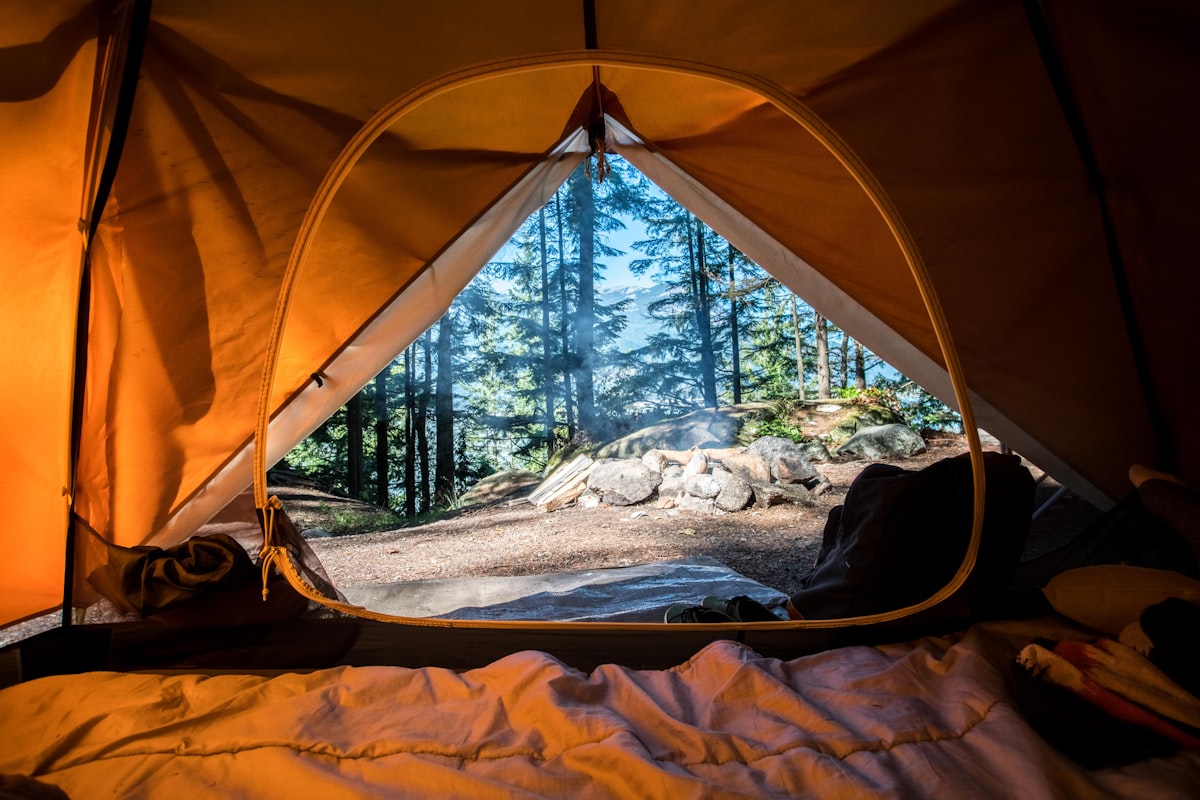
Key Features and Benefits You Get Inside
- ✓ Complete RV Buying Guide: How to inspect tires, check for water damage, spot animal nests, and why you must get an independent inspection even for a new RV.
- ✓ Boondocking Secrets: How to find free, legal overnight parking on BLM land, Harvest Hosts, and why you should never leave your tanks open.
- ✓ RV Maintenance Simplified: Step-by-step for dumping tanks, unclogging toilet with baking soda, boiling water and ice trick, and carrying a backup sewer hose.
- ✓ RV Insurance & Domicile: How to choose full-timer insurance, get mail forwarding, and avoid being uninsured.
- ✓ Driving Confidence: Take it slow, take wide turns, watch for dips and steep parking lot entrances, and read all low clearance signs.
- ✓ Electric & Water Systems: Fresh, grey, black tanks, Truma instant water heater review, and how to shower for 15 minutes straight in an RV.
Pros and Cons: Is Full-Time RV Living Right For You?
Complete RV Buying Guide: What The Dealers Won't Tell You About Living in an RV
If you get this wrong, full-time RV living becomes a nightmare. Here is the exact checklist from the book you must use before you sign anything.
The 10-Minute RV Inspection Checklist
1. Tires: Check DOT date. RV tires age out before they wear out. Over 6 years old? Budget $2,000 to replace immediately.
2. Water Damage: Press all walls and ceiling panels. Soft means water intrusion. Check inside cabinets with a flashlight for stains.
3. Press Every Button: Lights, AC, furnace, water pump, slides, awning, radio. If it has a button, press it.
4. Test The Shower: Get in it. Can you move? Is there a Truma instant endless hot water system or a tiny 6-gallon tank that gives you a 5-minute military shower?
5. Undercarriage: Look underneath with a flashlight for rust, hanging wires, and animal nests. Mice love RV insulation.
Pro tip: Even if you buy new, hire an independent NRVIA certified inspector for $400 to $600. They will find things the dealer missed. Also consider an extended warranty only from a reputable third party, not the dealer markup.
Boondocking, RV Maintenance & RV Insurance: The 3 Pillars You Must Master
What is Boondocking and How to Find Free Campsites
Boondocking means camping off-grid with no hookups. You rely on your batteries, solar, and tanks. You can stay for free for 14 days at a time on BLM land and in National Forests. Apps like FreeRoam, iOverlander, and Campendium show legal spots.
RV Maintenance Made Simple
Grey, Black, and Fresh Water Tanks Explained
Your fresh tank is drinking water. Grey is sink and shower. Black is toilet only. Always use septic safe toilet paper, add deodorant after dumping, and dump black first, then grey to flush your hose. Never leave both open at once.
Quick Driving Tips That Save Your RV
Take it slow. You are wider, heavier, and longer. Take wide turns, watch out for dips and steep parking lot entrances, and use an RV specific GPS like Garmin RV.
RV Insurance Explained for Full-Timers
Regular RV insurance does not cover you if you live in it full-time. You need full-timer's liability plus personal belongings coverage. Companies like National General, Progressive Full-Time, and Good Sam specialize.
Step-by-Step Guide: How to Start Full-Time RV Living in 30 Days
Step 1: Define Your Why and Budget (Day 1-3). Budget $1,500 to $3,500 per month including campground fees, gas, insurance, food, and maintenance.
Step 2: Choose Your Rig Using The Checklist (Day 4-10). Rent an RV for a weekend first. Then use the 10-minute inspection checklist above. Get an NRVIA inspection.
Step 3: Sort Domicile and Insurance (Day 11-15). Pick Texas, Florida, or South Dakota. Set up mail forwarding with Escapees. Get full-timer RV insurance quotes.
Step 4: Learn Your Systems (Day 16-22). Practice dumping tanks and driving in empty parking lots.
Step 5: Downsize and Hit The Road (Day 23-30). Sell 70% of your stuff. Plan your first trip within 100 miles of home for a shakedown.
Final Verdict: Is STOP DREAMING ABOUT THE OPEN ROAD. START LIVING IT Worth It?
After reviewing hundreds of pages of real-world lessons, our verdict is clear. If you want to start full-time RV living without wasting $10,000 on the wrong RV, smelly tank disasters, or getting denied by insurance, this guide is the shortcut. For aspiring full-time RVers, beginners, and remote workers, it is the most practical RV buying guide, boondocking manual, and RV maintenance crash course in one place.
Ready to Start Your Full-Time RV Living Journey?
Get instant access to the complete beginner's blueprint and stop dreaming.
Try STOP DREAMING ABOUT THE OPEN ROAD. START LIVING IT Now - Official SiteInstant digital download - 30-day guarantee
Frequently Asked Questions About Full-Time RV Living
How much does full-time RV living cost per month?
On average, $2,000 to $3,500 per month for most couples. This includes campground fees, gas, RV insurance, food, and maintenance. Boondocking on free BLM land can cut costs to $1,500.
What is the best RV for full-time living for beginners?
For most beginners, a 28-32 foot travel trailer or fifth wheel offers the best space for money and lower RV insurance. If you want to tow a car easily, a Class C motorhome is more forgiving.
Is boondocking legal and safe?
Yes, boondocking is legal on most BLM land and National Forests for up to 14 days. Use apps like iOverlander and FreeRoam. It is safe if you stay in well-reviewed spots and arrive during daylight.
Do I need special RV insurance for full-time RV living?
Yes. You need full-timer's insurance that includes liability and personal belongings, like homeowner's insurance. Regular auto or recreational RV insurance will deny claims if you live in your RV full-time.


