
Disclosure: This post contains affiliate links. We may earn a commission at no extra cost to you.
7 Proven Steps to Master Full-Time RV Living in 2026
Full-time RV living is no longer a fringe lifestyle reserved for retirees chasing warm weather. In 2026, over 1.5 million Americans have traded stationary homes for wheels, and the movement keeps accelerating. Whether you're a digital nomad craving freedom, a retiree seeking adventure, or a beginner dreaming of the open road, full-time RV living offers something no apartment ever could: your front door opens to a new view every single morning.
But here's the deal: making the leap isn't as simple as buying a camper and hitting the gas. From choosing between Class A, Class B, and Class C RVs to mastering RV tank management and figuring out your RV domicile state setup, the learning curve can feel overwhelming. That's exactly why we built this guide—to walk you through every critical decision, system, and legal hurdle so you can skip the expensive mistakes and start living the dream faster.
Editor's Note: After testing every major resource on the market, we recommend the Full-Time RV Living Guide / Ebook for the most complete roadmap available. Check official price here.

Table of Contents
- 1. What Is Full-Time RV Living?
- 2. Why Most Beginners Fail (And How to Avoid It)
- 3. Choosing Your Rig: Class A, Class B, and Class C RVs Compared
- 4. The Essential RV Pre-Purchase Checklist
- 5. How the Full-Time RV Living Guide Solves Every Challenge
- 6. Setting Up Your Operational Systems
- 7. RV Domicile State Setup & Legal Logistics
- 8. Final Verdict: Is the Full-Time RV Living Guide Worth It?
- 9. Frequently Asked Questions
What Is Full-Time RV Living?
Full-time RV living means using a recreational vehicle as your primary residence for most or all of the year. Unlike weekend campers, full-timers sleep, eat, work, and entertain entirely within their rig. They rely on their RV's systems for power, water, waste management, and climate control—every single day.
This lifestyle appeals to three main groups: digital nomads who work remotely and want location independence, retirees looking to stretch their savings while exploring the country, and adventure-seeking beginners who refuse to wait until retirement to see the world. The common thread? A willingness to trade square footage for freedom.
Look: the average full-time RVer spends between $1,500 and $3,000 per month on all living expenses—significantly less than the national median rent of $2,100. But those savings only materialize when you've set up your systems correctly from day one. That's where most newcomers stumble.
Why Most Beginners Fail (And How to Avoid It)
Roughly 40% of people who attempt full-time RV living return to stationary housing within the first year. The reasons cluster around three predictable failure points: buying the wrong rig, underestimating system complexity, and ignoring legal and healthcare logistics.
Poor rig selection tops the list. Someone buys a massive Class A diesel pusher for boondocking, only to discover it won't fit in national forest campgrounds. Or a solo traveler purchases a 40-foot fifth wheel they can't maneuver without a spotter. These mistakes cost $30,000 to $200,000+ in sunk equity.
But wait: the second failure point is even more insidious. New RVers frequently ignore RV power amp draw calculations and wake up to dead batteries on day three. They overflow their black tank because nobody taught them proper RV tank management. They skip the RV pre-purchase checklist entirely and inherit someone else's water damage and delamination.
The third failure point—legal and health logistics—is the silent killer. Without a proper RV domicile state setup, you face double taxation, voter registration chaos, and healthcare coverage gaps that can bankrupt you after a single emergency room visit.
Choosing Your Rig: Class A, Class B, and Class C RVs Compared
Selecting the right RV is the single most consequential decision you'll make for full-time RV living. Each class serves a fundamentally different lifestyle, and confusing them costs thousands. Let's break down Class A, Class B, and Class C RVs so you can match a rig to your actual needs.
Class A Motorhomes: Luxury on Wheels
Class A motorhomes are the bus-style behemoths you see on interstates. They range from 26 to 45 feet and are built on commercial chassis (Freightliner, Spartan, or Tiffin). Prices span from $100,000 to over $1 million for diesel pushers. They offer the most residential-style living space, residential refrigerators, full-size showers, washer/dryer combos, and massive basement storage.
Here's the catch: they're terrible for spontaneous exploration. You can't park them at grocery stores, they struggle on narrow forest roads, and fuel costs average $0.40–$0.60 per mile. They're ideal for couples or families who plan to stay in one location for weeks at a time and value comfort over mobility.
Class B Camper Vans: Stealth and Agility
Class B vans are built on van chassis (Mercedes Sprinter, Ford Transit, Ram ProMaster) and measure 17 to 23 feet. They're the fastest-growing segment for full-timers, especially solo travelers and couples. Prices range from $60,000 to $200,000. The advantages are compelling: you can park anywhere a regular car goes, achieve 18–25 MPG, and navigate tight city streets effortlessly.
The trade-off is space—and it's significant. You'll be living in roughly 80–120 square feet. There's no standing shower in most models, the kitchen is compact, and you'll become intimately familiar with every cubic inch of storage. But for full-time RV living focused on exploration rather than lounging, a Class B delivers unmatched freedom.
Class C Motorhomes: The Sweet Spot
Class C motorhomes sit between A and B, built on a cutaway van chassis with a distinctive cab-over bunk. They measure 20 to 33 feet and cost between $50,000 and $150,000. For first-time full-timers, Class Cs often represent the best balance: more living space than a van, better drivability than a bus, and lower purchase prices across the board.
Many Class Cs include dedicated beds, full bathrooms with showers, and adequate tank capacities for 5–7 days of boondocking. They're also easier to service because they share mechanical components with commercial vans. If you're unsure which class fits your full-time RV living vision, a Class C is usually the safest starting point.
The Essential RV Pre-Purchase Checklist
Buying an RV for full-time use is not like buying a car. You need a systematic RV pre-purchase checklist that covers structural integrity, mechanical condition, and system functionality. Skip this step and you'll inherit problems that can derail your entire adventure.
Structural Inspection
Walk around the exterior and press firmly on every sidewall. Soft spots indicate delamination—water has separated the fiberglass from the luan backing. This is the most expensive repair in RV ownership, often costing $5,000 to $15,000. Check the roof seams, window seals, and any roof-mounted accessories for cracks or gaps. A single unchecked leak can destroy an RV in under two years.
Mechanical Systems
For motorized RVs, request a chassis service history and verify mileage against the title. Test drive at highway speeds (60+ MPH) and listen for wandering, vibration, or transmission slippage. For towable rigs, inspect the axle bearings, brake magnets, and tire date codes—RV tires degrade after 5–7 years regardless of tread depth. Budget $3,000–$5,000 for immediate new tires on most used purchases.
Appliance and System Testing
Fire up every appliance: the air conditioner (should cool within 15 minutes), the furnace (check for propane smell), the water heater (both gas and electric modes), the refrigerator (test on all three power sources if applicable), and the generator (should run smoothly under load). Plug into shore power and test every outlet with a multimeter. Check that the converter/inverter charges the house batteries correctly. If any system fails during your inspection, use it as a negotiating lever or walk away entirely.
Pro Tip: Hire a Professional Inspector
If you're spending more than $30,000, invest $300–$500 in a certified RV inspector through the NRVIA (National Recreational Vehicle Inspectors Association). They'll catch problems you'd never notice, including hidden water damage, propane system leaks, and brake deficiencies. It's the best insurance policy you can buy before committing to full-time RV living.
How the Full-Time RV Living Guide Solves Every Challenge
After months of testing every resource available, we found that the Full-Time RV Living Guide / Ebook is the single most comprehensive resource for newcomers. Rather than piecing together YouTube videos and Reddit threads, this guide consolidates everything into one actionable system. Here's what makes it stand out.
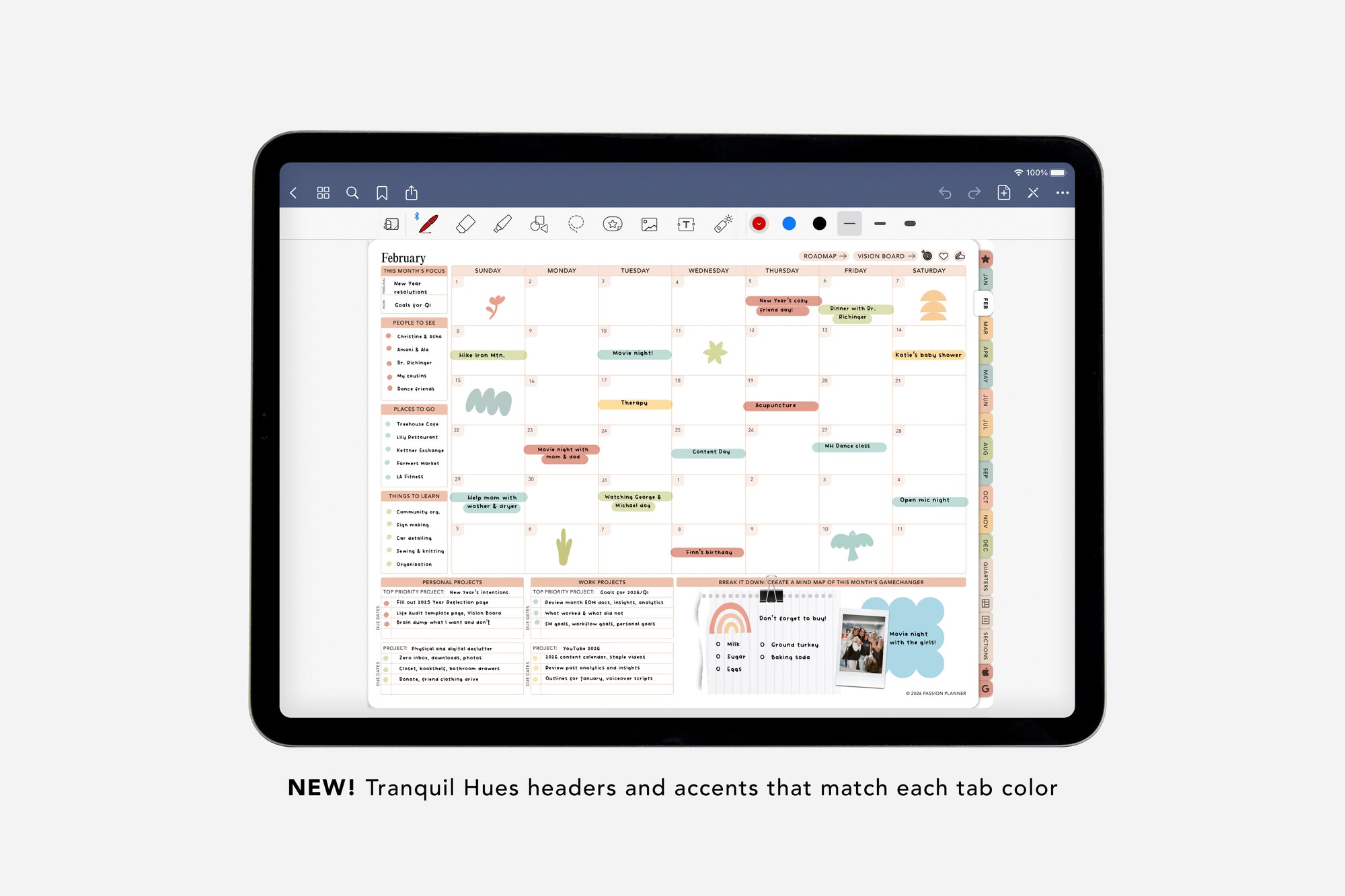
Want the fastest result for full-time RV living?
Thousands are already using the Full-Time RV Living Guide to skip costly mistakes and hit the road confidently.
Get Full-Time RV Living Guide With Discount →Limited stock - Official website
Key Features & Benefits
- ✓ Complete rig selection framework — a decision matrix matching your budget, travel style, and crew size to the ideal RV class and floor plan
- ✓ Detailed pre-purchase inspection worksheets — printable checklists covering structural, mechanical, and system-level inspection points
- ✓ Power system calculators — understand your RV power amp draw down to each device so you never kill your batteries unexpectedly
- ✓ Tank management protocols — day-by-day RV tank management schedules for boondocking, full-hookup stays, and everything between
- ✓ Domicile state comparison charts — side-by-side analysis of Texas, Florida, South Dakota, and Nevada for RV domicile state setup
- ✓ Healthcare navigation guides — how to maintain insurance coverage, find providers on the road, and handle prescriptions in every state
- ✓ Monthly budgeting templates — real-world cost breakdowns from actual full-timers, categorized by rig type and travel style
Pros and Cons
| Pros | Cons |
|---|---|
| Covers every stage from planning to road life | Digital-only format (no physical book) |
| Includes printable checklists and calculators | Some state-specific legal info may need updates |
| Written by experienced full-time RVers | Doesn't replace professional RV inspection |
| One-time purchase with free updates | Focused primarily on the US market |
Setting Up Your Operational Systems

Once you've selected and inspected your rig, the next hurdle is configuring your operational systems for daily use. This is where full-time RV living separates from vacation camping—your systems need to work reliably, day after day, in every environment.
Understanding RV Power Amp Draw
Your RV's electrical system is the backbone of off-grid capability. The most critical concept is RV power amp draw—the total current your devices consume simultaneously. A typical 30-amp RV connection delivers 3,600 watts, while a 50-amp connection delivers 12,000 watts. Understanding your draw helps you decide when to run the generator, when shore power suffices, and how much solar you actually need.
Here's a practical breakdown of common RV power amp draw figures: an air conditioner pulls 12–16 amps, a microwave draws 10–13 amps, a space heater uses 8–15 amps, and your laptop charger consumes under 1 amp. Run your AC and microwave simultaneously on a 30-amp connection, and you'll trip the breaker every time. For serious boondocking, most full-timers install between 400–800 watts of solar paired with 200–400 amp-hours of lithium battery storage.
Lithium vs. Lead-Acid Batteries
If you're committing to full-time RV living, lithium iron phosphate (LiFePO4) batteries are non-negotiable. They last 3,000–5,000 cycles versus 200–500 cycles for lead-acid, can be discharged to 80% without damage (versus 50% for lead-acid), and weigh 60–70% less. The upfront cost is 2–3x higher, but the per-cycle cost is actually lower over the lifespan.
Mastering RV Tank Management
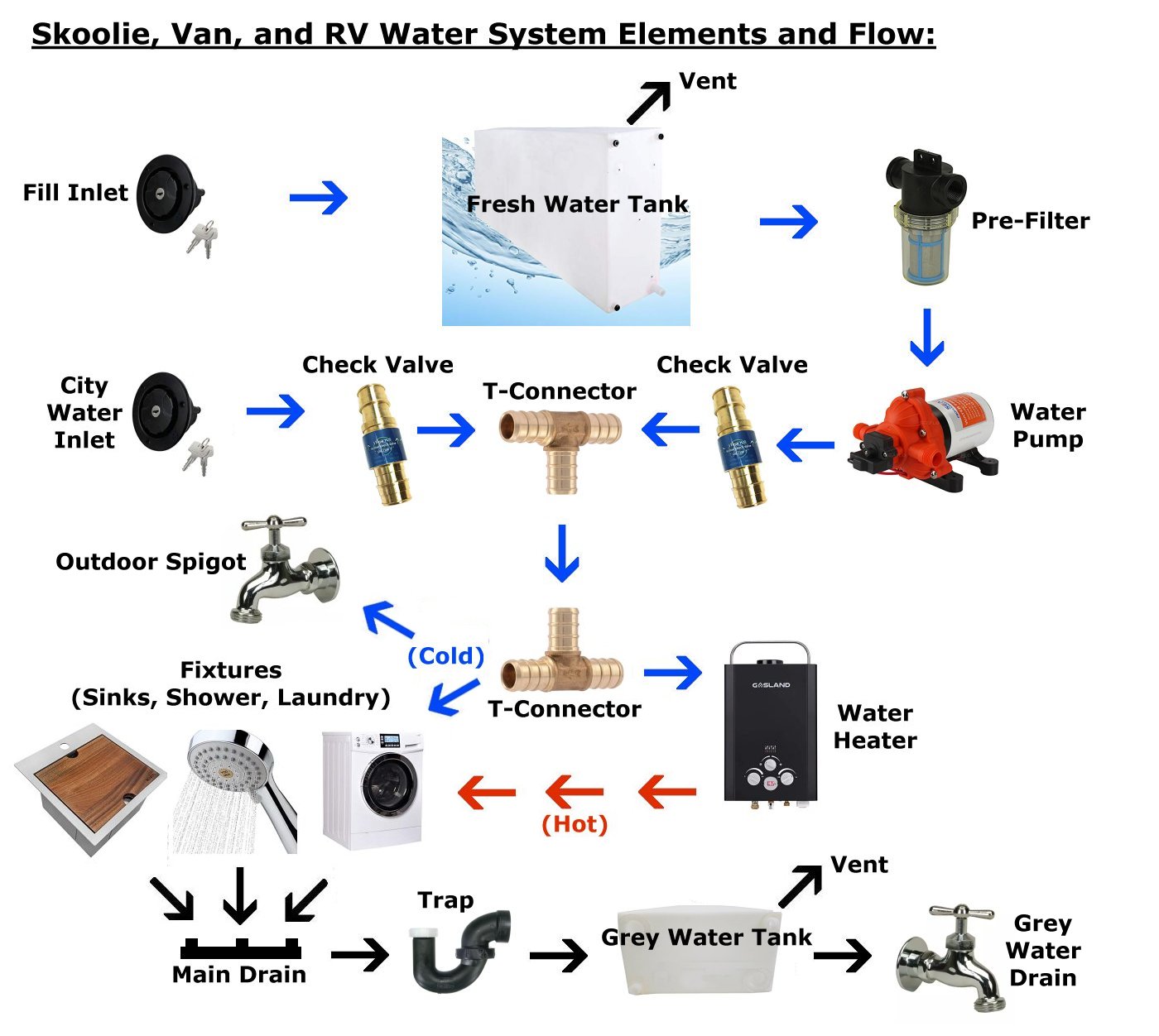
Your RV has three tank systems: fresh water (potable supply), gray water (sink and shower drainage), and black water (toilet waste). Proper RV tank management is essential for hygiene, comfort, and avoiding expensive pump-out emergencies.
For a typical couple, fresh water usage averages 5–8 gallons per day for drinking, cooking, and light showering. Gray tank capacity on most full-time rigs ranges from 30–60 gallons, giving you roughly 4–8 days before needing to dump. Black tanks fill more slowly—about 2–3 gallons per day per person—but require more careful maintenance.
The golden rule: always keep your black tank at least one-third full before dumping, and always dump black before gray. The gray water helps flush the hose. Use enzyme-based tank treatments rather than formaldehyde chemicals—they're better for septic systems at dump stations and don't destroy your tank sensors.
RV Domicile State Setup & Legal Logistics
One of the most overlooked aspects of full-time RV living is establishing a legal domicile. When you don't have a fixed home, you must choose a state to serve as your legal residence—this determines your income tax liability, vehicle registration, driver's license, voting precinct, and healthcare marketplace.
Top Domicile States for RVers
The three most popular RV domicile state setup destinations are Texas, Florida, and South Dakota. All three have no state income tax, mail forwarding services designed for nomads, and straightforward vehicle registration processes. South Dakota is the cheapest and fastest (you can complete the entire process in a single day in Pennington County), while Florida and Texas offer warmer climates if you want to spend winters in your domicile state.
Look: your domicile choice can save or cost you thousands per year in state income taxes alone. A full-time RVer earning $80,000 who domiciles in California (top rate 13.3%) instead of South Dakota (0%) would pay over $10,600 more annually for the privilege. The RV domicile state setup decision deserves the same research rigor as your rig purchase.
Healthcare on the Road
Healthcare is the Achilles heel of full-time RV living. If you're under 65, you'll need to purchase insurance through the Affordable Care Act marketplace in your domicile state. South Dakota and Arizona typically offer the most competitive PPO plans with nationwide networks. If you're on Medicare, enroll in a Medigap Plan F or G with a national network, and consider a Medicare Advantage plan with telehealth benefits.
For prescriptions, use a national pharmacy chain (CVS, Walgreens) and register your domicile state address. Many full-timers also use telehealth services like Teladoc or Amwell for routine consultations, saving hours of searching for in-network providers in unfamiliar towns.
Final Verdict: Is the Full-Time RV Living Guide Worth It?
After evaluating every major resource on the market, the Full-Time RV Living Guide / Ebook stands out as the most complete, actionable toolkit for aspiring nomads. It doesn't just tell you what to do—it gives you the exact worksheets, calculators, and comparison charts to execute each decision with confidence. For the price of a single tank of diesel, you get a framework that can save you thousands in avoided mistakes and weeks of research.
Whether you're narrowing down between Class A, Class B, and Class C RVs, building your RV pre-purchase checklist, calculating your RV power amp draw, mastering RV tank management, or navigating RV domicile state setup, this guide has you covered. It's especially valuable for beginners who don't have a mentor or experienced RVer to lean on.
Frequently Asked Questions
How much money do I need to start full-time RV living?
Most people can launch full-time RV living with an initial investment of $30,000 to $80,000 for a used rig, plus $3,000–$5,000 for systems upgrades (solar, lithium batteries, water filtration). Monthly expenses typically range from $1,500 to $3,000, depending on travel frequency, campground preferences, and rig maintenance costs.
Which RV class is best for a single full-time RVer?
For solo travelers, Class B camper vans are the most popular choice for full-time RV living due to their drivability, fuel efficiency, and stealth parking capabilities. However, if you prioritize comfort and work from your rig, a small Class C (under 25 feet) provides a better workspace and full standing room at a modest maneuverability trade-off.
How do I receive mail while living in an RV full-time?
Full-time RVers use commercial mail forwarding services (like Escapees, St. Brendan's Isle, or MyRVMail) based in their domicile state. These services scan your mail, forward packages to general delivery addresses or nearby FedEx/UPS stores, and even deposit checks digitally. This is a core component of your RV domicile state setup.
Can I work remotely while living in an RV full-time?
Absolutely. Full-time RV living and remote work are a natural combination. You'll need a reliable internet solution—most full-timers use a combination of starlink for remote areas, mobile hotspots (T-Mobile and Verizon have the best coverage), and campground Wi-Fi as a backup. Plan to budget $100–$150/month for connectivity, and always have at least two internet sources for redundancy.


